Written by Bara / ACI Canyoneer Level 2
Introduction
In recent years, adventure tourism has become increasingly popular among travelers who are looking for more challenging and unique experiences in nature. Many tourists are no longer only interested in visiting scenic destinations but also want to participate on activities that allow them to interact directly with the natural environment. Activities such as hiking, rafting, diving, and other outdoor sports are now widely promoted in many tourism destinations. One activity that has gradually gained attention is canyoning.
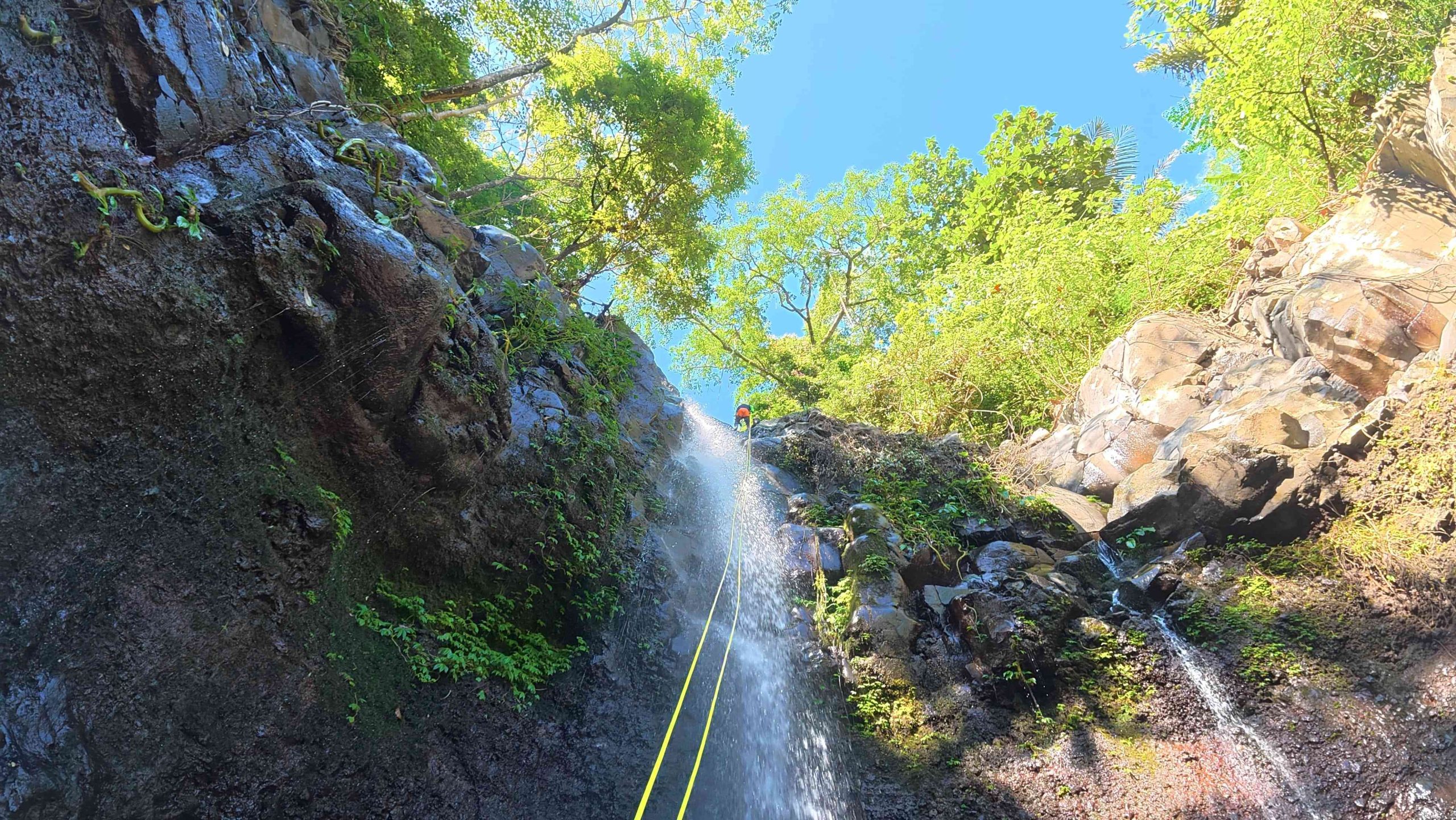
Canyoning is an outdoor activity that involves exploring canyons by combining several techniques sich as rappelling down waterfalls, swimming in natural pools, sliding along rock formations, and sometimes jumping from certain heights into water. This activity usually takes place in natural environments such as rivers, waterfalls, and narrow canyon formations. According to Tomić et al. (2021), canyon landscapes often have unique geological formations and scenic value, which makes them attractive locations for adventure-based tourism activities.
Indonesia has many natural landscapes that are suitable for canyoning activities. The country is known for its mountainous terrain, tropical rivers, and numerous waterfalls that can potentially support the development of adventure tourism. In several regions, canyoning has already begun to develop as a tourism attraction. Bali, for example, is one of the destinations where canyoning activities have been introduced to both domestic and international tourists.
Although canyoning tourism offers many opportunities for tourism development, there are also several challenges that need to be considered. Issues relates to safety, professional guiding, and environmental protection are important factors that influence the sustainability of canyoning tourism. Therefore, understanding both the opportunities and the challenges of canyoning tourism is important for its future development in Indonesia.
Opportunities for Canyoning Tourism in Indonesia
Indonesia’s natural environment provides strong potential for the growth of canyoning tourism. Many areas in the country have waterfalls, rivers, and rocky landscape that can be used for canyoning activities. These natural conditions make Indonesia a suitable destinations for nature-based adventure tourism.
Previous research by Yana et al. (2021) found that visitors generally have a positive perception of canyoning as a form of sport tourism, especially when it is combined with attractive natural scenery such as waterfalls. The combination of adventure activities and natural landscapes can create memorable experiences for tourists.
Another opportunity is related to the economic benefits that canyoning tourism can bring to local communities. Adventure tourism often involves local guides, equipment rental services, and transportaition providers. As a result, the development of canyoning tourism can create employment opportunities and generate income for local residents, Gautam (2023) also explains that canyoning tourism can contribute to local economic development when it is managed properly and supported bt sustainable tourism practices.
In addition, the global tourism trend shows that many travelers are increasingly interested in outdoor and nature-based tourism. People are becoming more aware of the value of natural environments and are seeking tourism experiences that involve physical activity and exploration. This trend can create new opportunities for Indonesia to develop canyoning tourism as part its adventure tourism sector.
Challenges in the Development of Canyoning Tourism
Despite its promising potential, canyoning tourism also faces several challenges that need to be addressed. One of the most important concerns is safety. Canyoning activities involve navigating through natural environments that may contain various risks, such as slippery rocks, strong water currents, and high waterfalls.
Because of these conditions, proper safety management is essential in canyoning activities. Nugroho et al. (2024) state that adventure tourism activities require careful risk management in order to reduce potential dangers for participants. This means that canyoning operators must provide appropriate safety equipment, clear procedures, and trained guides to ensure that activities are conducted safely.
Another challenge is the need for professional training for canyoning guides. Guiding canyoning activities requires technical skills, including rope techniques, route assessment, and emergency response. Without sufficient training and experience, guides may not be able to manage risky situations effectively. Therefore, the development of training programs and safety standards is important for the long-term development of canyoning tourism.
Environmental issues also need to be considered. Many Canyoning locations are located in fragile natural ecosystems. If tourism activities are not properly managed, they may lead to environmental damage such as erosion, water pollution, or disturbance to wildlife habitats. For this reason , sustainable tourism practices are necessary to ensure that canyoning activities do not negatively impact the natural environment.
REFERENCES
Gautam, S. (2023). Barriers and opportunities of canyoning in Nepal. NUTA Journal, 10(1–2), 93–104. https://doi.org/10.3126/nutaj.v10i1-2.63046
Nugroho, A. Y., Suswanto, S., Pradap, S. Y. F., & Herryani, H. (2024). Aktivitas pengelolaan wisata petualangan canyoning berbasis risiko: Studi kasus di kawasan canyoning & caving Bogor Indonesia. Gemawisata: Jurnal Ilmiah Pariwisata, 20(3), 369–375. https://doi.org/10.56910/gemawisata.v20i3.426
Tomić, N., Antić, A., Tešić, D., Đorđević, T., & Marković, S. (2021). Canyoning and geotourism: Assessing geosites for canyoning activities in Western Serbia. Turizam, 25(4), 161–177. https://doi.org/10.5937/turizam25-27524
Yana, I. G., Astra, I. B., & Suwiwa, I. G. (2021). Persepsi wisatawan terhadap potensi pariwisata olahraga wahana canyoning. Indonesian Journal of Sport and Tourism, 3(1), 26–34. https://doi.org/10.23887/ijst.v3i1.35432